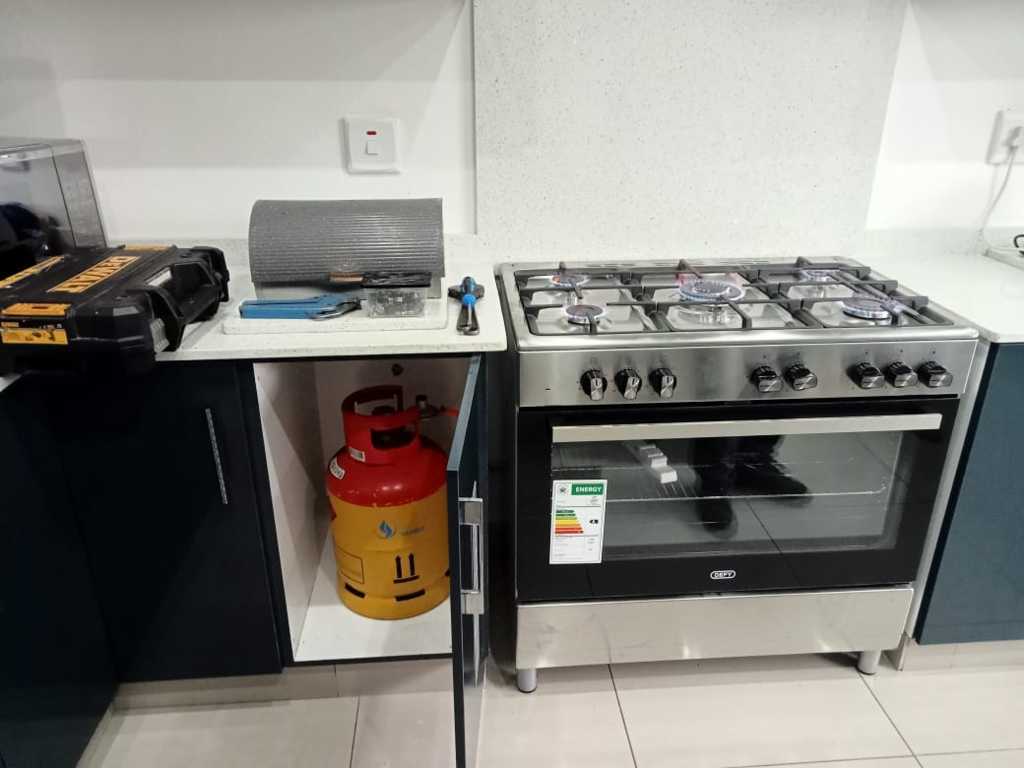
Before You Begin
Important: LP Gas appliance installation should only be performed by qualified, certified technicians. This guide is for educational purposes and to help you understand the process.
Pre-Installation Requirements
1. Compliance and Permits
Ensure all installations comply with:
- SANS 10087-1 (South African National Standard)
- Local municipal regulations
- Insurance requirements
- Building codes
2. Site Assessment
A qualified technician will assess:
- Ventilation requirements
- Gas supply routing
- Safety clearances
- Structural considerations
Installation Process
Step 1: Planning and Design
Create a detailed installation plan including:
- Gas line routing
- Appliance positioning
- Ventilation requirements
- Safety equipment placement
Step 2: Gas Line Installation
Install gas lines using approved materials:
- Copper tubing (recommended)
- Approved flexible connectors
- Proper fittings and joints
- Pressure testing
Step 3: Appliance Connection
Connect appliances following manufacturer specifications:
- Proper regulator selection
- Secure connections
- Leak testing
- Operational testing
Step 4: Safety Systems
Install required safety equipment:
- Gas leak detectors
- Emergency shut-off valves
- Proper ventilation
- Safety signage
Testing and Commissioning
Pressure Testing
All gas lines must be pressure tested to ensure integrity and safety.
Leak Testing
Every connection point must be tested for leaks using approved methods.
Operational Testing
Test all appliances for proper operation and safety features.
Certification and Documentation
Upon completion, you should receive:
- Certificate of Compliance (CoC)
- Installation documentation
- Warranty information
- Maintenance schedule
Why Choose Professional Installation
Professional installation ensures:
- Safety compliance
- Warranty protection
- Insurance validity
- Optimal performance
- Legal compliance
At LPGas4U, our certified technicians provide professional installation services with full compliance certification. Contact us for a consultation.